“If it goes really well, CDN might last five years”.
These were famous first words from Alan Aitken, as he and a small group of other leaders launched the Community Development Network Trust—a Christian-based youth work agency based in Riccarton Community Church (RCC) in Christchurch in 1996.
This year, CDN celebrates 30 years—long outliving Alan’s early estimate of ‘success.’ That staying power has surprised even some of those involved at the beginning.
“CDN was our first community ministry on that scale—in terms of seeking community funding. We’d never done anything like it before, so at the time, five years ahead was about as far ahead as I could see!”
Back in 1996, Alan was serving as a pastor at RCC, while CDN’s founding youth worker, Dave de Roles, was serving as youth pastor. “I managed to sell the elders on a two-year timeframe to build the ministry—recruiting Phil Stedman and others to help build into it.
Alan says he was inspired by nearby South West Baptist Church (then called Spreydon Baptist) and the way it was working in the wider community, “I saw an opportunity, as many people do, and then ran with it!”
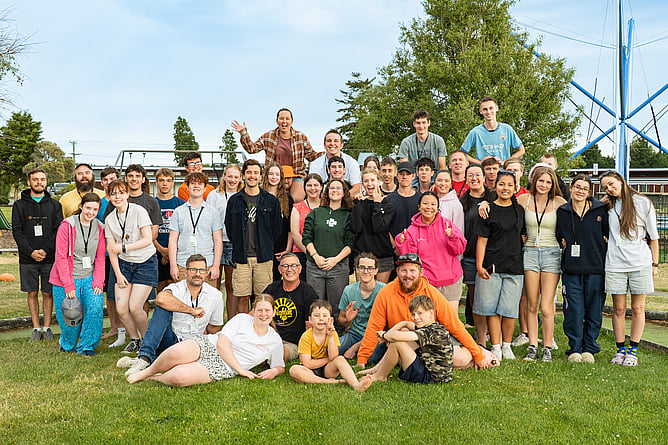
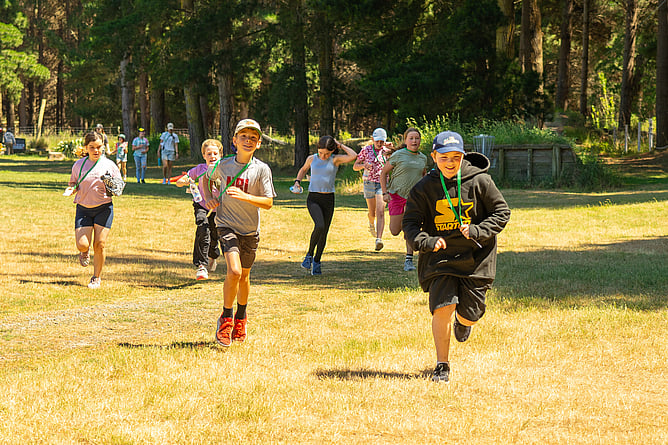
CDN grew from being a small team to a wider community ministry that works with a range of organisations and churches. Today CDN runs kids and adventure camps, participates in 24/7 youth work and school-based youth work, runs collaborative youth events, and subsidises counselling for young people.
All along it has maintained a close alignment with RCC.
The church and trust share offices, core values, and a statement of belief. “CDN was created to serve the vision of Riccarton Community Church, and that has been consistent throughout the 30-year period…” RCC’s vision is ‘to see our city become a place of Christ-transforming hope’ and it is big enough to include the work of the trust.
“I think if you want to keep community ministries aligned to a church, the church must have a vision that’s big enough for a trust to want to serve it—or, preferably, a vision so vast that the trust has to run to catch up to it.”
Proximity has kept the church and trust relationally close. Among many practical decisions, one of the most important has been the decision to work in the same physical space.
“In many ways, the informal matters more than the formal. It is much more effective at achieving alignment, and it is a great preventative. For example, in our context, we have always had CDN’s trust staff intermingled in offices with church staff. It was a bit accidental in the beginning, but then we discovered a dynamic. People would meet each other at morning tea in the kitchen, and those informal discussions often sparked significant strategic and spiritual discussions and built relationships between church staff and trust staff.”
The CDN trust deed reflects this close relationship—ensuring a minimum of three trustees are members of RCC, with at least one in a leadership role at RCC. These areas of more structured alignment have helped maintain this connection.
Current CDN Manager James Harris reflects on the close relationship between the church and the trust:
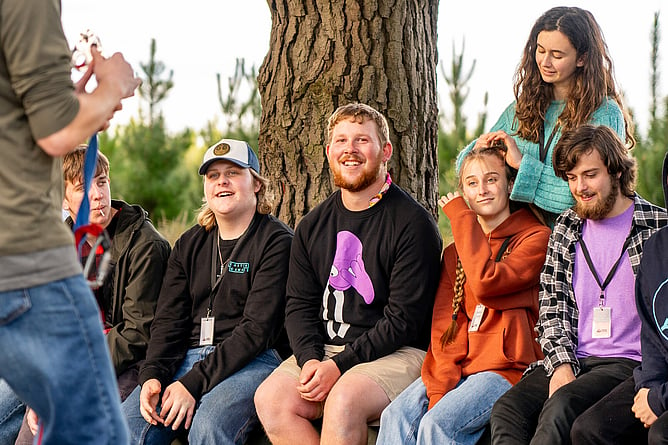
“The people of Riccarton Community Church have formed the backbone of CDN through the decades. Many of them prefer to donate anonymously, pray constantly but quietly, cook dinner for tired teenage volunteers, and clean toilets at the end of camp. Others have served as trustees, camp leaders and programme directors. I cannot overstate the significance and impact these people have had on Ōtautahi (Christchurch), serving quietly without seeking recognition.”
Close Alignment In An Age Of Mission Drift
‘Mission drift’ is a way of describing the slow move of an organisation away from its initial goals and values. It’s a familiar story for many church-founded institutions, charities, and community outreaches—what was once close becomes more distant as time goes on and relationship wanes.
Alan says the close alignment to RCC was an intentional decision right from the start, and the team spent several months thinking through different aspects.
“We asked ourselves: what is the vision of this work, what are the values that will drive it, how will we measure success, and what are the key factors we need to watch? This paid off hugely for us down the track because we had clarity.”
Their vision and values provided clarity in many different situations, says Alan, but they were especially significant in three key areas: recruiting staff and volunteers, forming partnerships, and making tough decisions.
A “covenant” was initially drawn up to define the relationship between the church and trust and to provide guidelines for working through issues. It is now an MOU that sets out shared expectations.
“Writing down the understandings and capturing them was vital because they get lost as people shift on or you just forget."
Growing Together, Not Apart
The CDN Trust focused on providing an excellent frontline service and began to expand quickly, especially as its work met a variety of needs in the wider community.
Their commitment to working with a range of funders, donors and allies to support the work meant the team of people and organisations with a vested interest in CDN was growing.
“At one point we tripled in size in about two years, which caused us a bit of angst, as we were successfully working in the community… But we did have to make some key decisions about being church-aligned. We decided that we wouldn't grow beyond what the church could handle—if CDN got too big and we needed to move away from church, then we wouldn't grow bigger.”
Today, CDN supports a staff team of seven, coordinates hundreds of volunteers, and maintains relationships with a wide range of partners and supporters—including local CCCNZ churches Rutland Street Church, Halswell Community Church, and Emmett Street Community Church; along with Open Brethren Heritage trusts and organisations Lichfield Lands Inc, Pathways College, Te Maru Christian Camps, and NZ Rally; and Open Brethren Heritage campsites Woodend Christian Camp and Tōtara Springs Christian Camp.
All of these efforts support the thousands of young people and their wider whānau who connect with CDN’s programmes, as manager James Harris reports:
“The last 30 years have been filled with fun and laughter as well as the nitty gritty of working in challenging situations. We have seen countless lives dramatically changed and families breaking a dysfunctional cycle. I totally believe that this is thanks to our Lord Jesus who loves each young person even more than we do. We pray constantly for our young people and volunteers, and we see cycles of abuse and poverty broken, hurt young people become thriving leaders, and God providing the resources we need in a myriad of unexpected ways.”