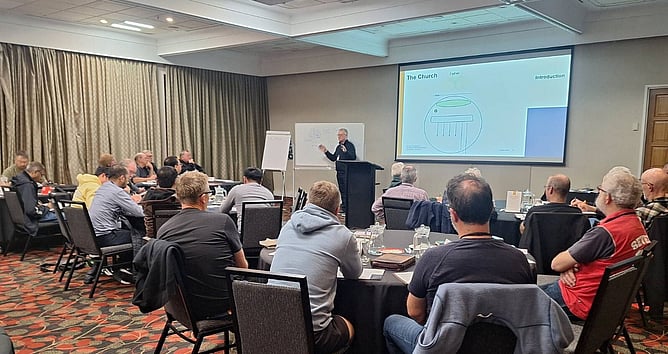
Around 50 people gathered in Taupō on 21–22 August for the latest CCCNZ Eldership Development Workshop, bringing together current and prospective elders from churches across the region for two days of learning, discussion and encouragement.
The workshop is part of an ongoing initiative to strengthen elderships across CCCNZ churches. Since pilot workshops began in 2025, these gatherings have provided opportunities for elders to explore the biblical foundations of their role, consider the practical challenges of shepherding God’s people, and learn from others.
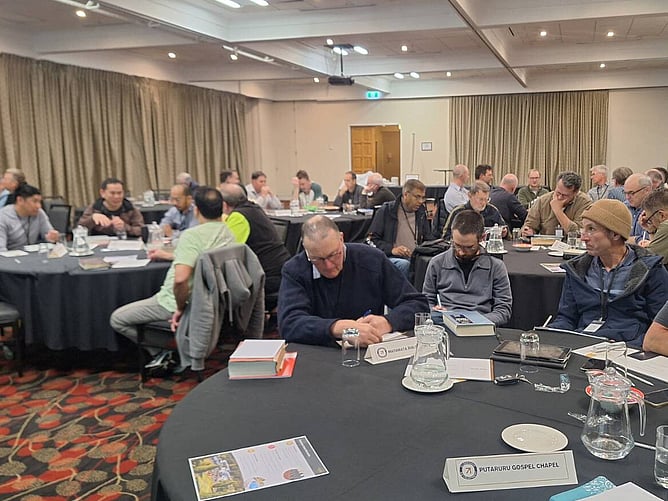
For those attending, one of the greatest strengths was the opportunity to connect with other churches and elders.
Participants appreciated being able to share ideas, network with other elders, and hear different perspectives. One attendee described the workshop as a valuable resource for both current and prospective church leaders, with another highlighting the benefit of devoting time to explore the call, character and commission of elders:
"This was the first time that we as elders have sat down and really looked at what does it mean to be an elder? Some of the key takeaways are 'what does it look like to be an under-shepherd?' This is something that we will continue to explore..."
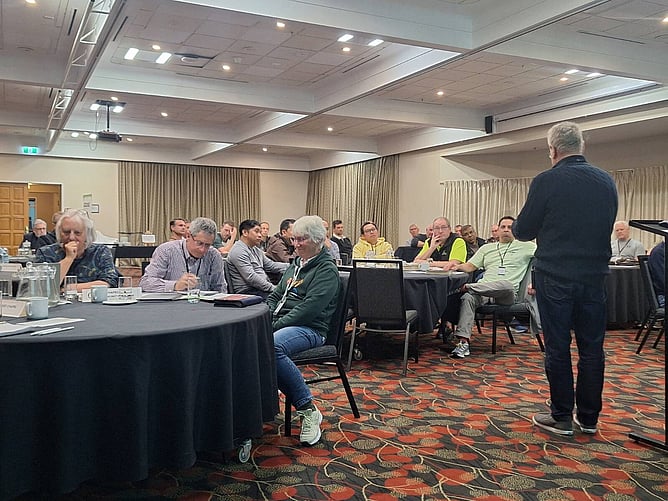
The sessions also provided practical tools and concepts to take back to local churches. One participant particularly appreciated the distinction between “status” and “function”, while others valued being challenged to think differently and consider new approaches to their role.
One of the Workshop's Facilitators, Grant Birks was encouraged to see so many elders making the time to gather:
“It was awesome to see elders coming together, learning together, encouraging each other, and exploring how they can better serve our Lord in shepherding his people.”
The Taupō gathering follows workshops held in Whangārei and Auckland earlier this year, continuing a growing investment in healthy elderships across CCCNZ churches. Alongside supporting those currently serving, the workshops aim to help churches develop future elders and equip them for the responsibility of spiritual oversight and shepherding.